
What to Do in a Dental Emergency After Hours
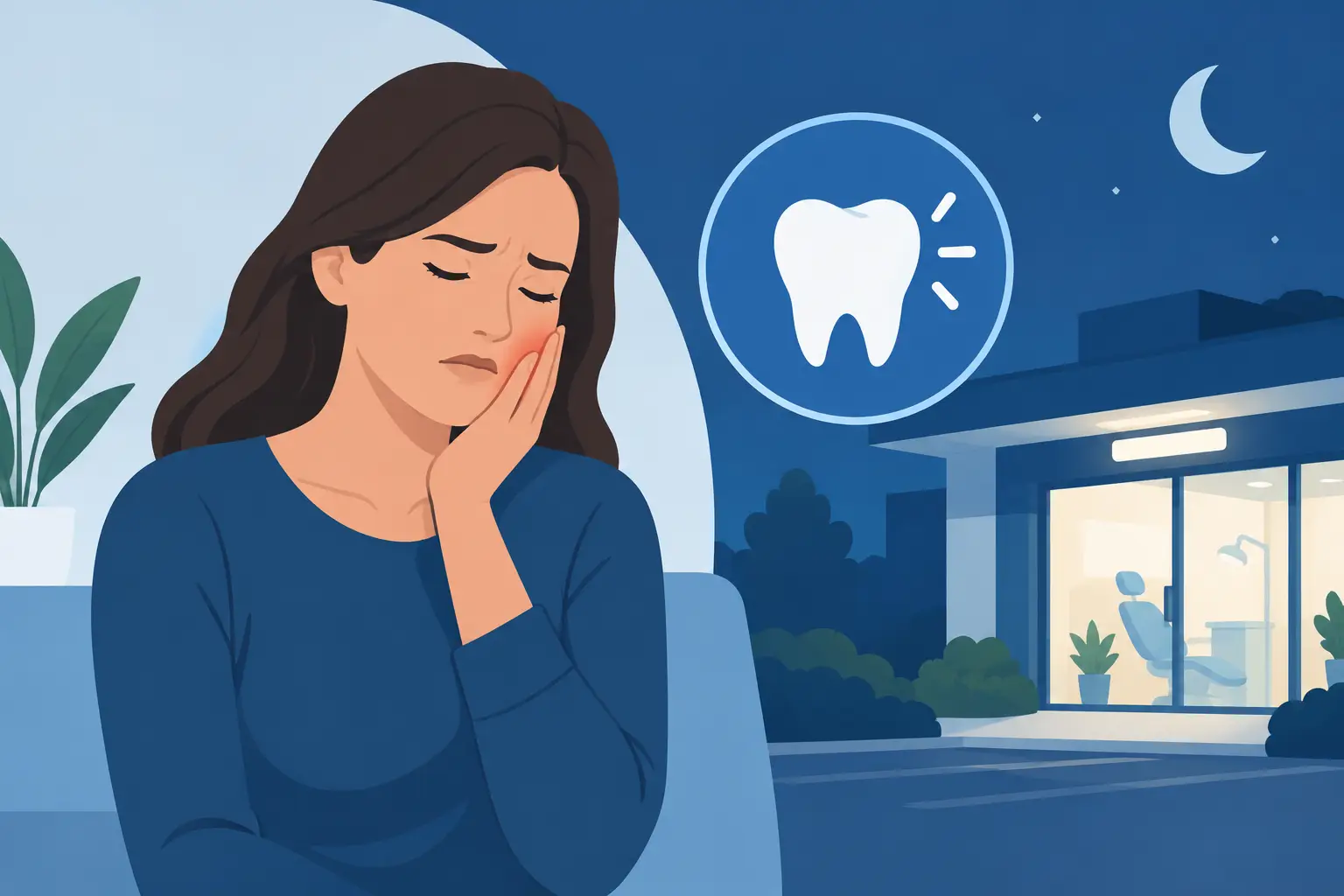
A tooth can crack, come loose or start aching after the clinic has closed. What you do next depends on the symptoms and how the injury happened. Here’s what to check and when to seek urgent help.
The priority is simple: control any bleeding, protect the injured area, manage discomfort safely and contact a dentist for advice as soon as you can. If there is trouble breathing or swallowing, severe facial swelling, heavy bleeding that will not stop, or a serious injury to the face or jaw, call 000 or attend the nearest hospital emergency department.
When is a dental emergency after hours?
Not every dental problem requires immediate treatment overnight, but some symptoms should never be ignored. A severe, persistent toothache, a knocked-out permanent tooth, uncontrolled bleeding, swelling around the face or jaw, a broken tooth causing sharp pain, or a dental infection can all need urgent attention.
It can be difficult to judge the difference when you are in pain. As a general guide, a problem is more urgent when it involves significant pain, swelling, bleeding, trauma or a risk of losing a tooth. A lost filling or chipped tooth may be able to wait until the next available appointment if you are comfortable and there are no sharp edges. However, it is still wise to contact your dentist promptly, particularly if the tooth is sensitive to temperature or pressure.
A dentist can assess your symptoms over the phone and advise whether you need to be seen straight away, require a same-day appointment, or can safely manage the problem until the clinic opens. This advice matters because the right treatment is not always the biggest treatment. Careful assessment helps preserve as much healthy tooth structure as possible.
What to do for common dental emergencies
A tooth has been knocked out
A knocked-out adult tooth needs immediate action. Hold it by the crown, which is the visible white part, rather than the root. If it is dirty, gently rinse it in milk or saline for a few seconds. Do not scrub it, wrap it in tissue or remove any tissue attached to the root.
If you can, carefully place the tooth back into its socket and bite gently on clean gauze or a cloth to hold it in position. If that is not possible, keep it moist in milk or saliva. Do not store it in water. Contact an emergency dentist immediately, as the best chance of saving the tooth is usually within the first hour.
For a baby tooth, do not try to put it back in. Replacing it can damage the developing adult tooth underneath. Call a dentist for guidance instead.
You have severe tooth pain
Strong tooth pain can be caused by deep decay, a cracked tooth, gum infection, an abscess or an inflamed nerve. Rinse gently with warm salty water and use dental floss carefully if food may be trapped between teeth. A cold pack against the outside of the cheek may ease swelling and discomfort.
Take pain relief only as directed on the packet or by your pharmacist or doctor. Do not place aspirin, clove oil or other substances directly on the gum or tooth. They can irritate or burn the soft tissues and may make the area harder to assess.
Pain that is worsening, keeps you awake, comes with facial swelling or causes fever needs urgent dental advice. Antibiotics are not a substitute for dental treatment in many cases. The source of the infection or pain still needs to be diagnosed and managed properly.
A tooth is broken, cracked or has a lost filling
Rinse your mouth with warm water and keep any larger tooth fragments if you can find them. Cover a sharp edge with orthodontic wax or sugar-free chewing gum as a short-term measure, taking care not to swallow it. Avoid chewing on that side and stay away from very hot, cold, sweet or hard foods.
A cracked tooth can sometimes be hard to see, especially if it only hurts when you bite down. Do not assume the pain will settle because it comes and goes. Early assessment may allow a more conservative repair, while delaying care can let a crack deepen or bacteria enter the tooth.
There is swelling, pus or a bad taste in your mouth
Swelling around a tooth or gum may signal an infection. You may notice a pimple-like bump on the gum, a bad taste, tenderness when biting or swelling in the cheek. Contact a dentist urgently, even if the pain suddenly improves. Pain can reduce when pressure drains, but the underlying infection may still be present.
If swelling is spreading towards your eye, neck or throat, or you have difficulty opening your mouth, breathing or swallowing, seek emergency medical care immediately. These symptoms need prompt attention.
Your mouth or tongue is bleeding after an injury
Apply steady pressure with clean gauze or a clean cloth for 10 to 15 minutes without repeatedly checking the area. A cold pack on the outside of the face can help reduce swelling. If bleeding is heavy, does not stop, or the injury involves a deep cut, possible broken jaw or loss of consciousness, attend an emergency department.
What not to do while waiting for care
In a stressful moment, well-meaning home remedies can cause more harm than help. Avoid using sharp objects to remove something stuck between teeth, and do not try to glue a broken crown, veneer or tooth back yourself. Household glues are not safe for use in the mouth.
Try not to chew on the affected side, smoke, drink alcohol or use very hot drinks to soothe a painful tooth. Heat can worsen swelling. If you have a crown that has come loose, keep it somewhere safe and take it to your appointment. Your dentist will check whether it can be recemented or whether the tooth underneath needs treatment first.
For dental trauma, do not delay because the tooth looks only slightly damaged. A tooth can be injured below the gumline even when there is no obvious break. This is especially true for children after falls, bike accidents or sporting knocks.
Preparing for an after-hours dental visit
When you contact the clinic, explain when the problem began, what happened and whether there is swelling, bleeding, fever or difficulty swallowing. Mention any medical conditions, allergies, medications and recent dental treatment. Clear information helps the dentist determine how urgently you need to be seen.
Bring any knocked-out tooth or broken pieces with you, stored as advised. If you are in significant pain or have taken pain relief that may affect your ability to drive, ask someone to bring you. For children, a familiar toy, headphones or comfort item can make an unexpected visit feel less overwhelming.
At Pure Dental Care, emergency appointments are approached with the same calm, careful planning as routine treatment. The first goal is to relieve pain, stabilise the problem and explain your options clearly. Sometimes treatment can be completed on the day; other times, temporary protection and a planned follow-up is the safest choice. You should understand what is happening and feel comfortable giving consent before treatment begins.
Can dental emergencies be prevented?
Not every emergency is avoidable, but regular check-ups can catch small cracks, worn fillings, decay and gum problems before they become painful. A custom-fitted mouthguard is also a worthwhile safeguard for children and adults who play contact or high-impact sport.
If you grind or clench your teeth, a professionally made bite splint may help protect teeth from repeated pressure. And if you have a loose filling, recurring sensitivity or a tooth that hurts when you bite, booking early is often kinder to both your tooth and your budget than waiting for a late-night crisis.
Dental pain can make everything feel urgent and uncertain. Take the practical steps you can, seek prompt advice, and let a dentist help you protect your comfort and your natural smile.
Related at Pure Dental Care: Emergency dentist in Thornleigh and contact our Thornleigh clinic.