
Emergency Dentist Thornleigh: When to Call
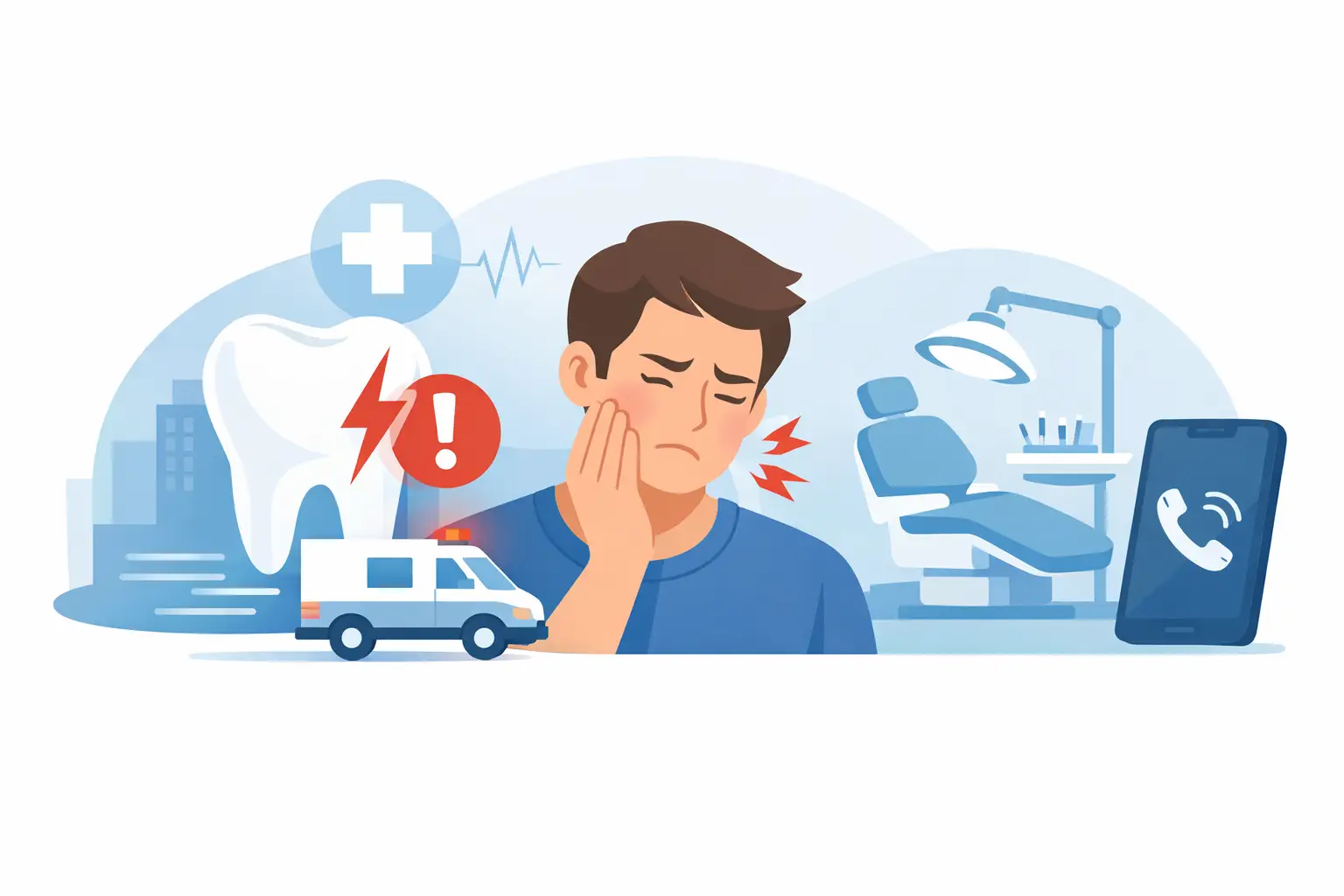
Call the clinic if you’ve broken a tooth, have swelling, or have tooth pain that’s getting worse. Tell us when the symptoms started and whether there was an injury. That helps us work out how quickly you need to be seen.
Dental emergencies are not always dramatic. Sometimes they are obvious, like a knocked-out tooth or facial swelling. Just as often, they begin as pain that is getting worse, a broken filling, bleeding that will not settle, or a tooth that suddenly becomes very sensitive when you bite. The right response depends on the cause, which is why a proper diagnosis matters.
What counts as a dental emergency?
An emergency is any dental problem that needs prompt attention to relieve pain, stop infection, control bleeding, or protect a tooth from further damage. That includes severe toothache, swelling in the face or gums, a chipped or broken tooth with pain, a lost crown or filling that leaves the tooth exposed, trauma after a fall or sporting knock, and bleeding that continues after an extraction or injury.
Not every urgent issue means a trip to hospital, and not every sore tooth can wait a week. That middle ground is where an experienced emergency dentist in Thornleigh can make a real difference. The aim is to assess what is happening, keep you comfortable, and choose the least invasive treatment that safely solves the problem.
For many patients, that point matters. When you are in pain, it is easy to assume the tooth will need to come out. In reality, some emergencies can be managed with a filling, a repair, a root canal, bite adjustment, or temporary stabilisation until the area settles. Good emergency care is not about rushing into the biggest procedure. It is about making the right call under pressure.
Signs you should seek an emergency dentist in Thornleigh
Pain is one of the clearest signs, especially if it is constant, throbbing, or waking you at night. Toothache can come from decay, infection, a cracked tooth, gum disease, grinding, or a failed filling. Because the causes are different, treatment varies too. Painkillers may take the edge off, but they do not fix the underlying issue.
Swelling should also be taken seriously. A swollen gum near one tooth may point to an abscess. Swelling in the cheek, jaw, or face can suggest the infection is spreading. If swelling affects breathing or swallowing, that needs urgent medical attention straight away.
Trauma is another reason to call promptly. Adults and children can both damage teeth during sport, playground falls, or everyday accidents at home. A tooth that is chipped but not painful may still need review, because a crack can travel deeper than it looks. A knocked-out adult tooth is especially time-sensitive, and acting quickly gives the best chance of saving it.
There are also quieter emergencies that people often put off. A broken denture before an important event, a lost crown on a front tooth, or jaw pain that suddenly makes it hard to open and close properly may not seem dramatic, but they can still affect eating, speech, sleep, and confidence. Same-day care can spare you days of discomfort and prevent more damage.
What to do before you get to the clinic
If you have toothache, rinse gently with warm salt water and keep the area as clean as possible. If food is trapped, careful flossing may help, but avoid digging at the gum with anything sharp. A cold compress on the outside of the face can reduce swelling. Take pain relief as directed on the packet if it is safe for you, but do not place aspirin on the tooth or gum.
If a tooth has been knocked out, hold it by the crown rather than the root. If it is dirty, rinse it briefly with milk or saline. If possible, place it back in the socket and bite gently on clean gauze or cloth. If that is not possible, keep it in milk and seek dental care immediately. Time matters here.
For a broken tooth, save any pieces if you can. Rinse your mouth gently and avoid chewing on that side. If there is bleeding, apply pressure with clean gauze. For a lost filling or crown, keep the area clean and avoid very hot, cold, or hard foods until it can be assessed.
These first steps help, but they are not a substitute for treatment. Pain can ease even when infection is still present, and a tooth can look stable while damage continues underneath.
Why same-day assessment matters
A lot can change in 24 to 48 hours. Infections can spread, cracks can deepen, and inflamed nerves can become much harder to settle. Early care often means simpler care. That may be the difference between a small repair and a more involved procedure later.
Same-day emergency appointments also give you clarity. Many patients are most distressed by not knowing what is wrong or how serious it is. A careful examination, supported by digital imaging where needed, lets your dentist explain what they can see, what your options are, and what needs to happen now versus later.
That calm, structured approach is especially important for nervous patients. Dental emergencies are stressful enough without feeling rushed or pushed into treatment. A good emergency visit should leave you informed, comfortable, and in control, even if the tooth needs urgent work.
How emergency treatment is decided
There is no one-size-fits-all fix for dental pain. If the issue is infection inside the tooth, treatment may involve root canal therapy to remove the infected tissue and preserve the tooth. If the tooth is too badly broken, removal may be the safer option. If a crown has come off but the tooth underneath is sound, recementing or replacing it may be all that is needed.
Gum-related emergencies are different again. A painful swelling in the gum may need drainage, cleaning, and follow-up care to treat the source properly. Pain around a wisdom tooth can come from infection in the surrounding gum, lack of space, or pressure from the way the tooth is erupting. Relief may involve cleaning and medication first, with removal discussed once the area is settled.
This is where conservative dentistry matters. In an emergency, it can be tempting to choose the quickest permanent option, but quick is not always best. If a natural tooth can be safely saved, that is often worth exploring. At the same time, there are cases where delaying the right treatment only prolongs pain. The right plan depends on the diagnosis, the condition of the tooth, your general health, and your preferences.
Emergency dental care for children and anxious patients
Children do not always explain pain clearly. They may stop eating on one side, wake overnight, become clingy, or refuse brushing around one area. Swelling, trauma, or ongoing discomfort should be checked promptly. Even baby teeth matter, because infection and pain can affect eating, sleep, speech, and the developing adult teeth underneath.
For anxious patients, an emergency can feel overwhelming because there is no time to mentally prepare. That is why communication matters as much as treatment. Clear explanations, gentle local anaesthetic, and a step-by-step approach can change the whole experience. Feeling listened to matters when you are already sore and stressed.
Many people who avoid dentists do so because of one bad experience years ago. Emergency care should not repeat that pattern. It should focus on getting you out of pain, explaining your choices honestly, and planning what comes next at a pace that feels manageable.
Choosing an emergency dentist Thornleigh patients can feel confident with
Availability matters, but so does judgement. When you are in pain, you need more than a fast appointment. You need a dentist who can diagnose accurately, explain things in plain language, and recommend treatment that suits the situation rather than overselling a bigger procedure.
That is one reason many local patients look for a clinic that can manage both the immediate problem and the follow-up care. If your emergency turns into a need for a root canal, crown, extraction, replacement tooth, or ongoing preventive care, it helps to have continuity. At Pure Dental Care, that means the same calm, family-focused approach whether you come in for sudden pain, a child’s dental injury, or a treatment plan to protect a tooth long term.
If something feels wrong, trust that instinct. Tooth pain rarely improves for long without a reason, and swelling should never be ignored. Getting checked early does not mean committing to major treatment. Often, it means more options, less discomfort, and a better chance of keeping things simple.
Related at Pure Dental Care: Emergency dentist in Thornleigh and contact our Thornleigh clinic.