
Common Causes of Bad Breath and What to Do
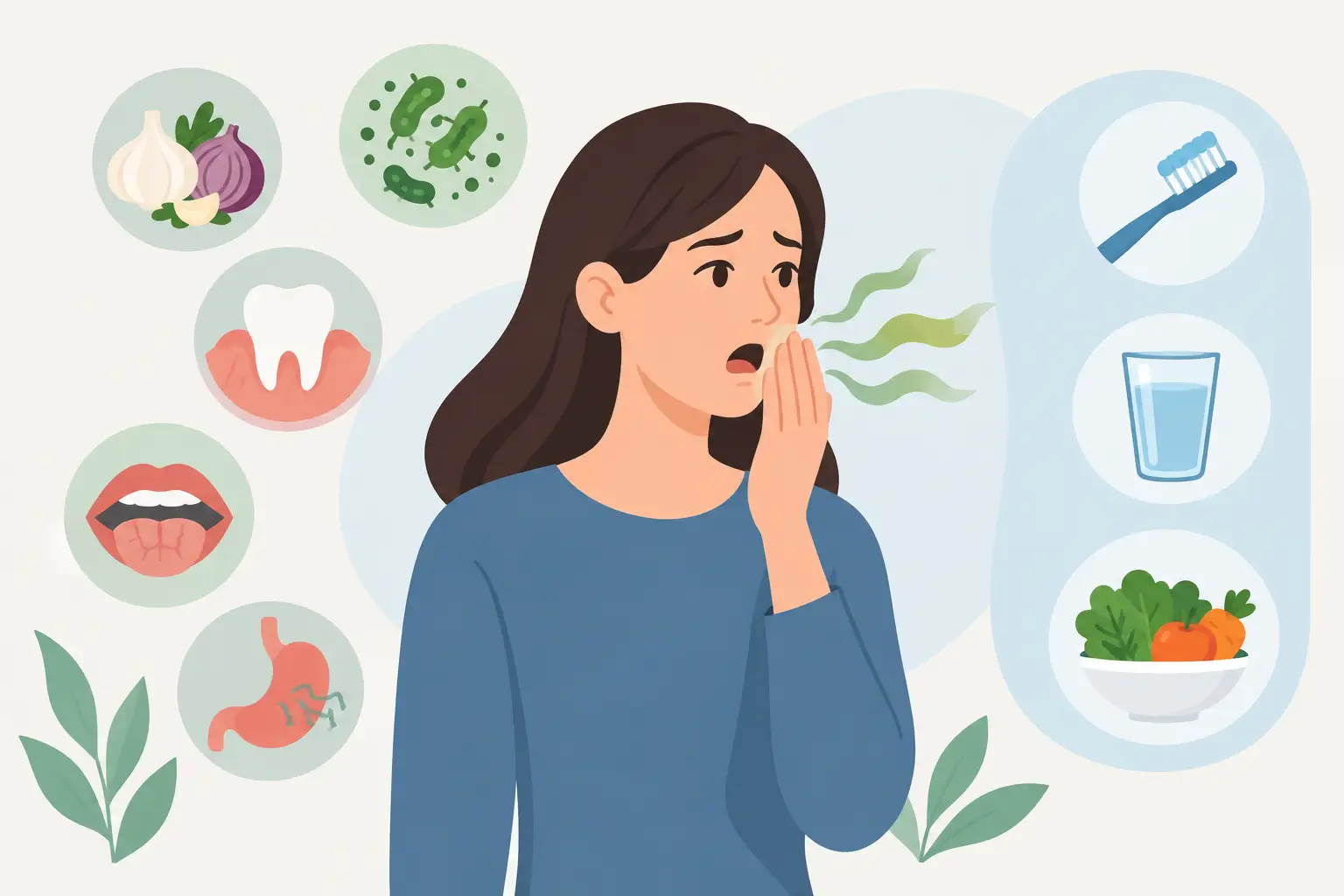
Mints can cover bad breath briefly. If the smell keeps coming back, start by checking the places a toothbrush can miss, including between the teeth and along the gumline.
Bad breath, also called halitosis, is very common. It can be temporary after a garlicky meal or first thing in the morning, but breath that regularly returns despite brushing deserves a closer look. A gentle dental examination can identify whether the cause is related to your teeth, gums, tongue or a wider health concern, so you can make an informed decision about what to do next.
Common causes of bad breath in the mouth
For most people, ongoing bad breath starts in the mouth. Naturally occurring bacteria feed on food particles, plaque and dead cells. As they break these materials down, they can release sulphur-containing compounds with an unpleasant smell.
Plaque build-up and missed areas
Even careful brushers can miss the gumline, the backs of lower front teeth, and the spaces between teeth. Plaque is a sticky film that builds up throughout the day. If it is not removed thoroughly, it can harden into calculus, also known as tartar, which cannot be brushed away at home.
A professional check-up and clean can remove deposits from hard-to-reach areas and give you a clearer starting point. Your dentist or hygienist can also show you where plaque tends to collect in your own mouth, rather than offering one-size-fits-all advice.
Tongue coating
The surface of the tongue has tiny grooves that can hold bacteria, food debris and shed cells, particularly towards the back. A visible white or yellowish coating is not always a cause for alarm, but it can contribute significantly to breath odour.
Gently cleaning your tongue once a day with a tongue cleaner or toothbrush may help. Avoid vigorous scraping, which can irritate the tongue. If you have soreness, a persistent coating or changes to the appearance of your tongue, arrange a dental assessment rather than trying to scrub it away.
Gum disease
Bleeding gums are not simply something to put up with. They can be an early sign of gum inflammation, often caused by plaque around and below the gumline. As gum disease progresses, bacteria can collect in deeper spaces around the teeth, leading to a lingering unpleasant taste or smell.
Other signs can include red, swollen or tender gums, bleeding when brushing or flossing, gum recession, or teeth that feel as though they have moved. Gum disease is often painless in its earlier stages, which is why regular checks are so valuable. Early treatment is generally more conservative and focused on protecting your natural teeth.
Tooth decay, damaged fillings and trapped food
A cavity, leaking filling or cracked tooth can create a small area where bacteria and food become trapped. In some cases, decay may not hurt at first, particularly if it is between teeth or beneath an existing restoration. An unpleasant taste, bad breath localised to one area, sensitivity or food repeatedly catching in the same spot are all useful clues to mention at your appointment.
The right treatment depends on the size and location of the problem. A careful examination and dental X-rays, where appropriate, help determine whether a simple, minimally invasive approach is possible.
Dry mouth
Saliva does much more than keep your mouth comfortable. It washes away food particles, helps control bacteria and supports the natural balance of the mouth. When saliva flow is reduced, breath can become noticeably stale.
Dry mouth may happen overnight, when you are dehydrated, or when you breathe through your mouth due to congestion, snoring or sleep-related breathing issues. It can also be associated with some medicines, smoking, alcohol, caffeine, stress and certain health conditions. If dry mouth is frequent, do not stop prescribed medication without speaking to your doctor. Your dentist can help identify practical ways to protect your teeth and manage symptoms.
Everyday triggers that can make breath worse
Some causes are short-lived but still frustrating. Foods such as garlic, onion, spices and coffee can leave odours that travel from the bloodstream to the lungs, so brushing alone may not remove them immediately. Alcohol can dry the mouth, while tobacco and vaping can leave a persistent odour and increase the risk of gum problems.
Skipping meals or following a very low-carbohydrate diet may also change the smell of your breath. In these situations, the odour is not necessarily a sign of poor brushing. It is still sensible to maintain regular oral care and discuss any sudden, persistent changes with a health professional.
Morning breath is another common experience. Saliva production slows while you sleep, giving bacteria more opportunity to grow. Drinking water, cleaning between your teeth, brushing thoroughly and cleaning your tongue before bed can make a meaningful difference.
When bad breath may not start in the mouth
Although dental causes are the most common, persistent bad breath can occasionally be connected to conditions outside the mouth. Ongoing sinus or throat infections, reflux, poorly controlled diabetes and some digestive or respiratory conditions may affect breath odour.
This does not mean you should assume the worst. It means persistent symptoms deserve sensible investigation. A dental examination is often a useful first step because it can rule out or treat common oral causes. If your mouth appears healthy but the issue continues, your dentist may suggest speaking with your GP.
What helps, and what only covers the problem
Strong mouthwash, mints and chewing gum can be useful for a short-term confidence boost, particularly before a meeting or social occasion. They do not remove calculus, treat gum disease or repair a tooth with decay. Alcohol-containing mouthwashes can also worsen dryness for some people.
A consistent home routine offers a better foundation. Brush twice daily with fluoride toothpaste for two minutes, clean between your teeth every day using floss or interdental brushes suited to your spaces, and gently clean your tongue. Drink water regularly and replace your toothbrush or brush head when the bristles begin to splay.
The best interdental tool is the one you can use comfortably and consistently. Floss may suit tight contacts, while interdental brushes can be more effective for larger gaps, around braces, or where gums have receded. Your dental team can recommend a technique that fits your mouth and your routine.
When to book a dental appointment
Make an appointment if bad breath persists for more than a couple of weeks despite good home care, or if it is accompanied by bleeding gums, toothache, swelling, loose teeth, a bad taste, dry mouth or changes in your tongue. If facial swelling, severe pain, fever or difficulty swallowing occurs, seek urgent dental or medical advice.
There is no need to feel embarrassed about raising the subject. Dental teams discuss bad breath every day, and the conversation is simply part of caring for your overall oral health. At Pure Dental Care, we take a calm, careful approach: listening to your concerns, checking for likely causes and explaining the options clearly before any treatment begins.
Fresh breath is usually less about finding the strongest mint and more about giving the cause proper attention. A small change to your cleaning routine or an early dental visit can protect your comfort, confidence and the health of your smile.
Related at Pure Dental Care: Check-up and clean and contact our Thornleigh clinic.