
Saving Teeth with Conservative Dentistry
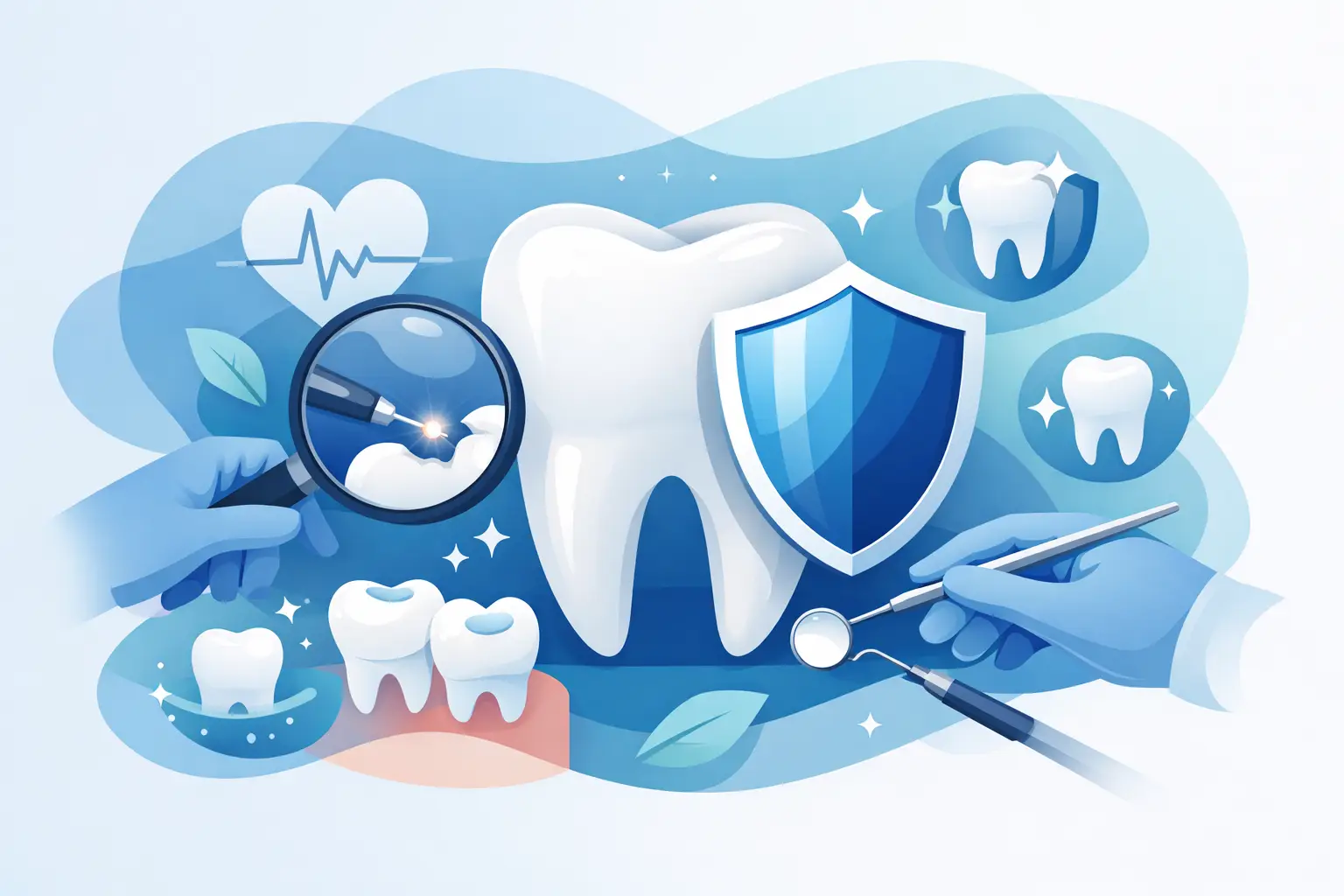
Tell your dentist if you’ve noticed a new chip, sensitivity to cold or bleeding when you brush. An early examination can help identify options that preserve as much of the natural tooth as possible.
A small chip, a new twinge with cold water, or bleeding when you brush can seem easy to put off. But saving teeth with conservative dentistry often comes down to timing. The earlier a problem is found, the more likely it can be treated in a way that keeps more of your natural tooth intact and avoids bigger, more invasive work later.
For many patients, that approach is a relief. They do not want to feel pushed into crowns, implants or extractions before every other reasonable option has been considered. They want clear advice, careful planning, and treatment that solves the problem without removing more tooth structure than necessary. That is the heart of conservative dentistry.
What saving teeth with conservative dentistry really means
Conservative dentistry is built around one simple principle: your natural teeth matter. Even with excellent modern replacements, nothing functions quite like healthy tooth structure that has been preserved and supported well over time.
That does not mean doing the smallest treatment at all costs. It means choosing the most appropriate treatment for the condition of the tooth, your symptoms, your oral health history and your long-term goals. Sometimes a small filling is enough. Sometimes a cracked or heavily broken-down tooth needs a crown to stop it splitting further. Sometimes a tooth cannot be saved predictably and removal becomes the safer option. Conservative care is not about avoidance. It is about judgement.
This is why good diagnosis matters so much. A careful examination, quality imaging and a proper conversation about what you are feeling can reveal whether a tooth needs monitoring, a simple repair, or more complex treatment. Without that groundwork, patients can end up either under-treating a problem or being rushed into something larger than they need.
Why preserving natural teeth is usually the better path
Natural teeth help you bite, chew and speak in a way that feels familiar and efficient. They also help maintain the balance of your bite and support the surrounding bone and gum tissue. When a tooth is lost, the changes are not always immediate, but they can build over time.
Neighbouring teeth may drift. Opposing teeth can over-erupt. Chewing may become uneven, and a small gap can eventually affect more than one area of the mouth. Replacing a tooth can restore function and appearance, but replacement treatment is usually more complex, more expensive and more time-consuming than preserving the original tooth where possible.
That is one reason conservative dentistry matters so much for families, busy adults and older patients alike. Looking after the teeth you already have is often the simplest and most stable long-term plan.
How conservative dental treatment works in practice
In everyday dentistry, a conservative approach usually starts with prevention and early intervention. A check-up can identify tiny areas of decay before they become larger cavities. A professional clean can reduce the gum inflammation that, if left alone, may progress into gum disease and threaten tooth support.
When treatment is needed, the aim is to remove disease while preserving healthy structure. For decay, that might mean a tooth-coloured filling placed before the cavity becomes deep enough to affect the nerve. For wear or minor chips, it may mean bonding rather than a larger restoration. For an infected tooth, root canal therapy may save the tooth and allow it to keep functioning for years.
There is always a balance to strike. Treating too little can allow damage to spread. Treating too aggressively can weaken a tooth unnecessarily. Good conservative dentistry sits in the middle. It is careful, evidence-based and tailored to the actual condition of the tooth.
Small problems are easier to treat well
A tiny cavity rarely stays tiny forever. The same goes for worn edges, leaking fillings and early gum disease. Teeth often do not hurt until the problem is more advanced, which is why regular examinations matter even when everything seems fine.
Early treatment is usually simpler for the patient as well. It often means shorter appointments, less drilling, lower cost and a better chance of keeping the tooth strong. That is especially important for nervous patients who may already be delaying care because they are worried treatment will be extensive.
Technology helps, but judgement still comes first
Modern imaging and digital scanning can improve diagnosis and planning. They help dentists see cracks, decay between teeth, failing restorations and changes around old dental work more clearly. That can make treatment more precise and help patients understand what is happening in their own mouth.
Still, technology is only useful when it supports good clinical judgement. A scan does not replace a thorough conversation, a careful examination or informed consent. Patients deserve to know what is being recommended, why it is needed, what the alternatives are and what may happen if they choose to wait.
When fillings, root canal treatment and crowns each make sense
One reason people feel unsure at the dentist is that different treatments can sound similar in purpose while being very different in scope. The right option depends on how much of the tooth is still healthy and how predictable the result is likely to be.
A filling is often the most conservative choice when decay or damage is limited. It restores the tooth while preserving as much natural structure as possible. If the decay reaches the pulp or the tooth becomes infected, root canal treatment may be the best way to save it. That removes the infected tissue inside the tooth while keeping the outer tooth in place.
Crowns sometimes worry patients because they sound like a bigger step, and they are. But they are not automatically the opposite of conservative dentistry. If a tooth is heavily filled, cracked, or weakened after root canal treatment, a crown may be the treatment that prevents fracture and helps the tooth last. The conservative choice is not always the smallest procedure in the short term. It is the treatment that gives the tooth the best chance of staying functional with the least unnecessary loss of structure overall.
Saving teeth with conservative dentistry also means knowing when to refer or rethink
A trustworthy dentist does not force every tooth into a save-at-all-costs plan. Some teeth have deep vertical cracks, advanced gum disease, severe bone loss or decay so extensive that repair is unlikely to hold up well. In those situations, honest advice matters.
Patients are best served when the risks are explained plainly. Can the tooth be saved? Possibly. Will it last? For how long? At what cost? With what maintenance? Those are the questions that shape sensible treatment planning.
This is where patient choice becomes central. Some people want to try to keep a compromised tooth for as long as possible. Others prefer a more definitive replacement option once the outlook becomes poor. Neither decision is wrong when it is informed, realistic and made without pressure.
What patients can do to keep treatment conservative
A conservative approach is not only about what happens in the dental chair. It is also influenced by daily habits and how quickly you act when something changes.
If you notice pain on biting, sensitivity that lingers, bleeding gums, a rough edge, swelling or a filling that feels loose, it is worth booking an appointment sooner rather than later. Waiting can turn a manageable issue into a more involved one. Home care matters too. Thorough brushing, cleaning between teeth, diet awareness and keeping up with routine visits all help reduce the chance of small problems becoming bigger ones.
For children, this can make a major difference over time. Preventative care and early treatment can protect developing teeth and build good habits early. For adults with older fillings or a history of dental work, regular monitoring helps identify when something is beginning to fail before it becomes an emergency.
In a family-focused clinic, conservative care also means listening carefully to what patients need. A parent bringing in a child, an older patient deciding whether to restore or replace a tooth, or an anxious adult who has delayed treatment for years all need more than technical skill. They need clear explanations, calm support and enough time to make decisions with confidence.
At Pure Dental Care, that philosophy is simple: be gentle, be thorough, and preserve what can be preserved. For patients in Thornleigh and surrounding suburbs, that can mean fewer surprises, better long-term choices and a stronger chance of keeping their natural teeth for longer.
If you have been putting off a check-up because you are worried the answer will be bigger treatment, it may help to think about it another way. The sooner a tooth is assessed, the more options you usually have, and the more likely those options are to be small, careful and tooth-saving.
Related at Pure Dental Care: Minimally invasive dentistry and contact our Thornleigh clinic.