
Molar Tooth Problems: Signs You Should Not Ignore
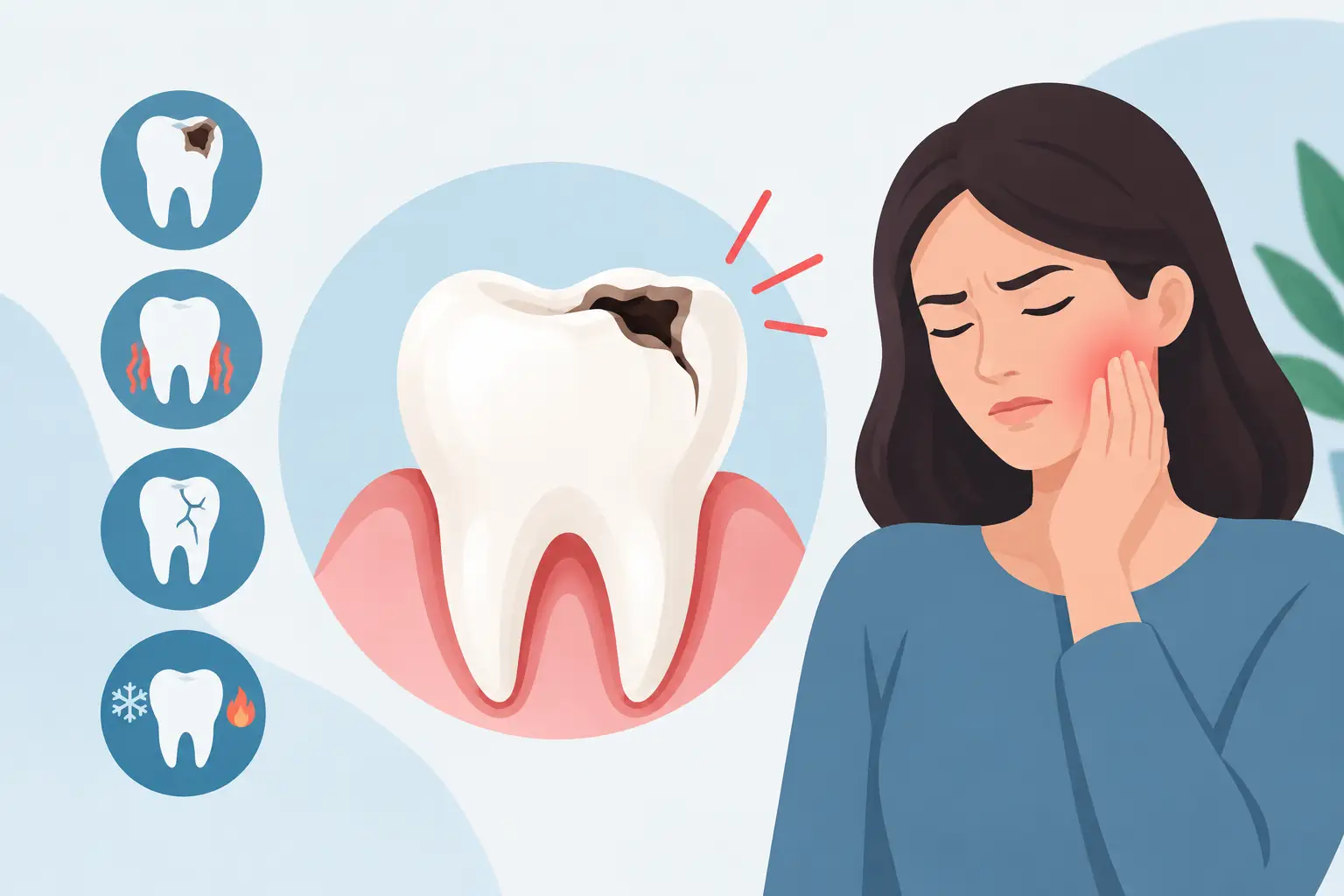
If a back tooth hurts when you bite, or food keeps catching in the same spot, note when it started and what brings it on. Those details can help your dentist find the cause before deciding what treatment is needed.
Whether you have noticed a dull ache, food catching at the back of your mouth, a sharp pain when biting, or a broken filling, you deserve a clear explanation and choices that make sense for your tooth. The right treatment depends on what is happening beneath the surface, not just how uncomfortable it feels today.
Why molar teeth need particular care
Most adults have up to 12 molars, including wisdom teeth if they have erupted. The first and second molars sit at the back of the mouth and do the majority of grinding during meals. Their large surfaces have grooves and pits that are useful for chewing, but these areas can also hold plaque and food particles.
Because molars are harder to see and reach with a toothbrush, decay may develop quietly in the grooves or between teeth. A cavity can become quite large before it causes obvious pain. The same is true of cracks. A small crack may only cause occasional sensitivity at first, then become more noticeable as chewing pressure gradually opens it further.
Back teeth also carry greater bite forces than front teeth. Grinding or clenching, hard foods, old large fillings and uneven bite pressure can all increase the chance of a molar chipping or cracking. This does not mean every sore molar needs a crown or root canal. It does mean it is worth having the tooth assessed before the damage progresses.
Common signs of a molar tooth problem
Molar pain does not always look like a dramatic toothache. Sometimes the warning signs are subtle, inconsistent or easy to blame on something else. Pay attention if you notice sensitivity to cold, heat or sweet foods that lingers after the trigger is gone; pain when you bite or release your bite; swelling near the gum; an unpleasant taste; or food repeatedly getting stuck in the same place.
A dark mark, hole, rough edge or lost filling can also point to a problem. So can a tooth that feels different when you close your teeth together. If a molar is causing pain that keeps you awake, facial swelling, fever, difficulty swallowing or trouble opening your mouth, seek urgent dental care. These symptoms can indicate an infection that needs prompt attention.
It is also possible to feel pain in one area while the source is another tooth, the gums, your jaw joint or a sinus problem. A careful examination and dental X-rays help identify the cause, rather than treating based on symptoms alone.
Sensitivity is not always “just sensitive teeth”
Brief sensitivity can happen when enamel is worn or gums have receded. However, a sharp response in one particular back tooth may be linked to early decay, a leaking filling, a crack or exposed dentine. Lingering sensitivity to heat can sometimes suggest that the nerve inside the tooth is inflamed.
The pattern matters. Make a note of what triggers the discomfort, how long it lasts and whether biting makes it worse. This information can help your dentist narrow down the cause.
What can go wrong with a molar?
Decay is one of the most common concerns. Bacteria in plaque produce acids that weaken enamel, eventually creating a cavity. If decay reaches the inner pulp, where the nerve and blood supply sit, infection and significant pain can follow.
Cracks are another frequent issue, particularly in molars with large old restorations. A crack may be limited to the outer tooth structure, extend into the pulp, or in some cases travel down the root. The earlier a crack is stabilised, the better the chance of preserving the tooth.
Gum disease can affect molars too. Bleeding gums, bad breath, gum recession or looseness may indicate inflammation around the supporting tissues. Wisdom teeth can create a separate problem if they are partly erupted and difficult to clean, causing recurring gum infection around the back of the jaw.
Occasionally, a molar may hurt because it is overloaded. Night-time clenching, grinding or a bite that concentrates pressure on one tooth can strain the ligament around its root. In these cases, a bite assessment and a custom splint may be part of the solution, alongside treatment for any damage already present.
Treatment should preserve as much natural tooth as possible
A good treatment plan starts with diagnosis. Your dentist may examine the tooth, test how it responds to temperature and pressure, check the gums, take X-rays and, where useful, use digital scanning or photographs to look closely at the tooth structure. This allows you to understand both the immediate concern and the likely long-term outlook.
For early decay, preventive measures or a small filling may be enough. If an existing filling has failed or decay is more extensive, a new filling or an inlay/onlay may restore the tooth while retaining healthy structure. The choice depends on the size and position of the damaged area, the strength of the remaining tooth and your bite.
When a crack or a large area of lost tooth needs more protection, a crown can cover the tooth and reduce the risk of further fracture. Crowns are valuable when indicated, but they are not automatically the first answer for every damaged molar. Conservative dentistry aims to use the least invasive option that can provide a reliable result.
If the pulp is infected or irreversibly inflamed, root canal therapy may allow the tooth to be retained. During treatment, the infected tissue is removed, the fine canals inside the root are cleaned and sealed, and the tooth is restored. A root-treated molar often needs a strong final restoration because it may be more prone to fracture, but saving a natural tooth is usually preferable where the prognosis is sound.
Extraction is sometimes the safest option when a tooth is severely fractured, cannot be restored predictably, or has advanced infection or gum disease. If removal is recommended, your dentist should explain why the tooth cannot reasonably be saved and discuss replacement options where appropriate. Leaving a gap can allow neighbouring teeth to drift or alter chewing, although the best choice varies between people.
Looking after molars at home
Molar care is less about harsh scrubbing and more about consistent technique. Brush twice daily with a fluoride toothpaste, taking time to angle the bristles towards the gumline and across the chewing surfaces at the back. Clean between your teeth every day with floss, interdental brushes or another method recommended for your mouth. A toothbrush cannot clean the contact points between molars.
Frequent sugary snacks and drinks keep teeth under repeated acid attack, even if the total amount of sugar seems modest. Water is the best everyday drink, and keeping sweet foods to mealtimes can reduce the number of acid episodes your teeth face. If you grind your teeth, do not ignore morning jaw tension, worn edges or recurring cracks. A professionally made bite splint may help protect teeth from further overload.
Regular check-ups are particularly useful for molars because early decay between teeth and below old fillings may not be visible in the mirror. For children, newly erupted adult molars can benefit from fissure sealants, which protect the deep grooves where decay often begins.
When to book an appointment
Book a dental visit soon if a molar is sore, sensitive, chipped, discoloured or catching food. It is especially sensible to act early if the discomfort comes and goes. Teeth rarely repair a cavity or crack on their own, and waiting for pain to become severe can limit the simpler treatment options.
For people in Thornleigh and nearby suburbs, a calm appointment can turn an uncertain molar problem into a clear plan. At Pure Dental Care, the focus is on helping you feel informed, comfortable and in control, with treatment recommendations based on what your tooth genuinely needs.
A back tooth may be out of sight, but it should not be out of mind. If something feels different when you chew, a timely check can protect comfort now and give your natural tooth its best chance for the years ahead.
Related at Pure Dental Care: Tooth fillings and contact our Thornleigh clinic.