
How Much Do Dental Crowns Cost in Australia?
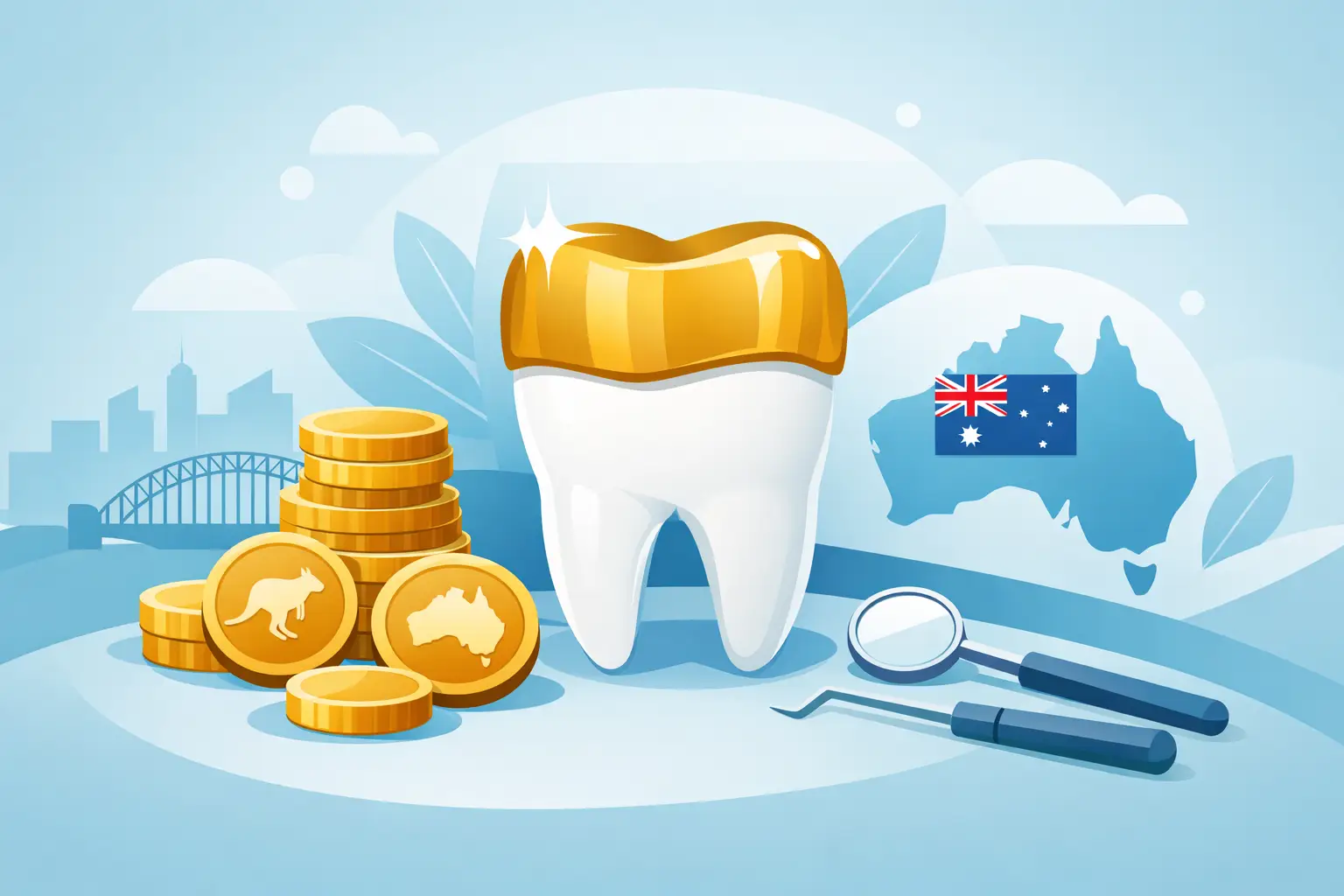
If your dentist recommends a crown, ask for a written estimate and what it includes. The total can vary with the material, the condition of the tooth and any treatment it needs before the crown goes on.
If you have been told you may need a crown, one of the first questions is usually how much do dental crowns cost. That is a fair question. Crowns can protect a damaged tooth, restore strength after root canal treatment, or improve how a heavily worn or broken tooth functions, but the price can vary more than many people expect.
The reason is simple. A dental crown is not one single product with one fixed fee. The final cost depends on the tooth, the material used, how much work is needed before the crown can be placed, and how carefully the case is planned. A good dentist should explain those choices clearly, so you feel informed, comfortable, and in control.
How much do dental crowns cost?
In Australia, a dental crown commonly costs somewhere between $1,200 and $2,500 per tooth. For many patients, the fee lands around the middle of that range, but there are cases where the total can be lower or higher depending on what is involved.
That broad range can feel frustrating when you are trying to budget. Still, it is more honest than promising a single figure that may not apply to your tooth. A front tooth with cosmetic demands is different from a back molar that absorbs heavy chewing forces. A straightforward crown on a healthy foundation is also very different from a tooth that needs a root canal, build-up, or gum treatment first.
Why the cost of a crown can vary so much
The biggest driver is the amount of work needed to make the crown last well, not just fit on the day it is placed. Conservative dentistry is not about doing the cheapest thing quickly. It is about protecting as much healthy tooth as possible while giving you a result that is strong, comfortable, and appropriate for your situation.
The crown material
Different materials come with different strengths, aesthetics, and lab costs. Porcelain or ceramic crowns are often chosen for their natural appearance, especially on front teeth. Zirconia crowns are popular for their durability and can also look very natural. In some situations, a porcelain-fused-to-metal crown may be recommended, although many patients now prefer metal-free options.
No material is automatically best for every tooth. A very aesthetic result may cost more, while a stronger material for a back tooth may be the wiser long-term choice even if it looks less translucent than natural enamel.
The tooth being treated
Front teeth generally demand more detailed shade matching and shaping. Back teeth need to handle stronger biting forces. If a tooth is badly broken down, the dentist may need extra steps to rebuild it before the crown is made.
That matters because a crown is only as reliable as the tooth underneath it. If the foundation is weak, the crown alone will not solve the problem.
Laboratory and technology factors
Some crowns are made with advanced digital scans and precisely milled materials, while others involve more traditional impressions and laboratory methods. High-quality lab work usually costs more, but it can also improve fit, comfort, and appearance.
For many patients, this is worth it. A crown is not something you want remade because the bite feels wrong or the margin is poor.
The dentist’s planning and complexity of care
Careful diagnosis takes time. Your dentist may need X-rays, photos, bite analysis, or a 3D scan to check whether a crown is genuinely the right treatment. Sometimes the more conservative answer is not a crown at all. In other cases, delaying a crown can lead to a cracked tooth, pain, or a larger bill later.
This is one area where cheap treatment can become expensive. If a crown is recommended too early, you may lose healthy tooth structure unnecessarily. If it is recommended too late, the tooth may become harder to save.
What is usually included in the cost?
When patients ask how much do dental crowns cost, they often mean the full treatment from start to finish. That is an important distinction, because the quoted fee may or may not include every related item.
A crown fee often includes the tooth preparation, impressions or digital scans, the temporary crown if one is needed, the laboratory-made final crown, and the fitting appointment. However, it may not include your initial examination, X-rays, hygiene treatment, a core build-up, root canal therapy, or treatment for gum disease.
That is why a written treatment plan matters. It should spell out what is included, what may be required beforehand, and whether there are any likely additional costs.
Costs that can come before the crown
Sometimes the crown itself is only part of the overall treatment.
Core build-up
If the tooth has lost a lot of structure through decay, fracture, or an old filling, it may need a build-up first. This creates a stable base for the crown and adds to the total fee.
Root canal treatment
A tooth with infection, deep decay, or nerve damage may need root canal treatment before it can be crowned. This can significantly increase the overall cost, but it may also be what allows the tooth to be kept rather than removed.
Gum treatment or decay removal
If the gums are inflamed or there is active decay around the tooth, those issues need attention before a crown is placed. Skipping those steps can shorten the life of the restoration.
Are dental crowns covered by health funds?
In many cases, yes, private health extras can contribute towards the cost of a crown. The amount depends on your level of cover, annual limits, waiting periods, and whether your policy includes major dental.
It is worth checking with your fund before treatment starts so there are no surprises. Some patients find their policy helps meaningfully with the cost, while others discover the rebate only covers a small portion. Either way, knowing the gap up front makes planning easier.
Is the cheapest crown the best value?
Usually not. Price matters, of course, but value is about more than the initial fee. A crown that fits well, suits your bite, protects the remaining tooth, and is placed for the right reasons can serve you for many years. A cheaper crown that fails early may mean more drilling, more cost, and fewer options later.
That does not mean the most expensive option is always necessary either. Good dentistry should match the treatment to the tooth, your goals, and your budget. Sometimes a less costly option is entirely appropriate. Sometimes spending more now helps avoid bigger problems later. The key is honest advice, not pressure.
When a crown may not be the right first step
One of the most reassuring things a dentist can do is tell you when you do not need a crown. Some teeth can be restored with a filling, onlay, or other more conservative option. If enough healthy tooth remains, preserving it may be the better choice.
This matters for patients who worry they are being pushed into larger procedures than necessary. A careful dentist should explain why a crown is recommended, what alternatives exist, and what trade-offs come with each one.
How to approach the cost conversation
If you are comparing options, ask for more than just a single number. Ask what type of crown is being proposed, whether any extra treatment is likely, how long the process takes, and what alternatives might work in your case.
For patients in Thornleigh and nearby suburbs, that conversation should feel calm and straightforward, not rushed. You should leave understanding why the treatment is recommended and what the likely total cost will be.
So, how much do dental crowns cost for most patients?
For most Australian patients, a single crown often falls within that $1,200 to $2,500 range, with the final amount shaped by the material, the complexity of the tooth, and any treatment needed beforehand. If you have private health cover, your out-of-pocket cost may be lower. If the tooth needs extra work first, the overall fee may be higher.
The most useful next step is not guessing from online averages. It is having the tooth properly assessed so you can get a tailored plan based on what will protect your natural tooth structure and serve you well over time.
If a crown has been recommended and you are unsure about the cost, ask for a clear breakdown and take the time to understand your options. Feeling confident in the decision is just as important as the crown itself.
Related at Pure Dental Care: Dental crowns and contact our Thornleigh clinic.