
Gum Ache After Wisdom Teeth Extraction: When to Call
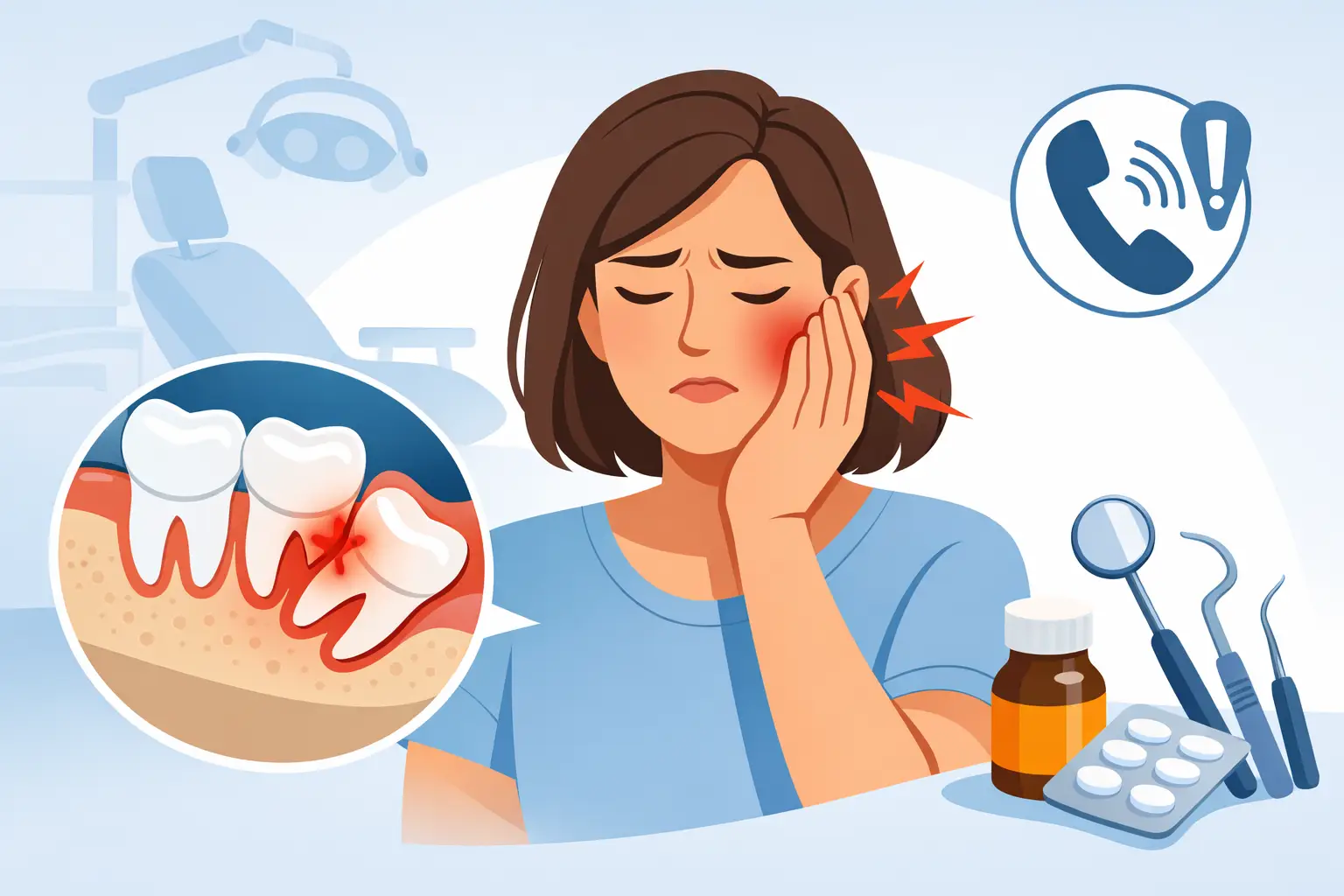
Wisdom tooth removal often leaves some tenderness, swelling and jaw stiffness once the numbness wears off. Pay attention to whether the discomfort is easing or getting worse. This guide explains when to call your dentist.
A dull gum ache after wisdom teeth extraction can feel unsettling, particularly once the numbness has worn off and you are trying to work out what is normal. Most people have some tenderness, swelling and jaw stiffness after a wisdom tooth is removed. The key is not to ignore your body, but also not to assume that every ache means something has gone wrong.
Healing is rarely completely comfortable. What matters is the pattern of your symptoms: when they began, whether they are gradually improving, and whether new or severe symptoms are appearing. Knowing what to expect can make the first few days feel far more manageable.
Why your gums ache after wisdom tooth removal
Removing a wisdom tooth involves more than taking out the tooth itself. The surrounding gum tissue, bone and sometimes the jaw muscles have all been affected. Your body responds by sending blood and healing cells to the area, which can lead to inflammation, pressure and soreness.
If the tooth was impacted, partly covered by gum, or positioned at an angle, the procedure may have needed more careful work. This can mean more post-operative tenderness than a straightforward extraction. It does not automatically mean there is a problem. It simply means the tissues may need more time to settle.
The local anaesthetic can also mask discomfort for several hours. As it wears off, an ache or throbbing feeling is common. You may notice the discomfort travelling into the jaw, ear or side of the face, especially with lower wisdom teeth. This referred pain is often linked to the muscles and nerves around the extraction site.
What normal healing usually feels like
For many patients, discomfort is most noticeable during the first two to three days. Swelling may peak around day two or three before gradually reducing. Your gums can feel bruised, tender or tight, and opening your mouth widely may be uncomfortable for a short time.
A small amount of blood-stained saliva on the day of surgery is expected. You may also see a white or yellowish layer over the socket as it heals. This is often healing tissue, not pus, and it should not be picked at or scrubbed away.
By about a week, pain should generally be easing rather than getting worse. The socket itself takes longer to close over, particularly after a lower wisdom tooth removal, but the day-to-day ache should become less intrusive. Everyone heals at a different pace, so the exact timing can vary with the complexity of the extraction, your general health and whether you smoke or vape.
A clot is doing important work
After the tooth is removed, a blood clot forms in the empty socket. It protects the underlying bone and nerves while new tissue grows. Looking after this clot is one of the most useful things you can do in the early stages of recovery.
For the first 24 hours, avoid vigorous rinsing, spitting, drinking through a straw, smoking and vaping. These actions can dislodge the clot. After the first day, gentle warm salt-water rinses can help keep the area clean, provided your dentist has not given different instructions.
How to ease a gum ache safely
Take any pain relief exactly as advised by your dentist, pharmacist or doctor. Many people can use over-the-counter pain relief, but the right option depends on your medical history, allergies and other medicines. Do not place aspirin directly on the gum, as it can burn the tissue.
A cold pack wrapped in a cloth against the outside of your cheek can help with swelling during the first day or two. Use it in short intervals rather than leaving it on continuously. Rest where you can, keep your head slightly elevated when lying down, and drink plenty of water.
Food choices matter more than people expect. Start with soft, nourishing foods that do not require much chewing, such as yoghurt, scrambled eggs, mashed vegetables, soup that has cooled to warm, or soft pasta. Avoid very hot food and drinks at first, as heat may encourage bleeding. Small grains, nuts, chips and crusty foods can lodge near the socket and make an already tender gum feel worse.
You should still clean your mouth. Brush your other teeth as usual, but be gentle around the extraction area and use a soft toothbrush. Keeping the rest of the mouth clean reduces the chance of food and plaque irritating the healing site.
When gum ache after wisdom teeth extraction needs attention
Pain that is steady or gradually improving is generally reassuring. Pain that becomes stronger after initially settling deserves a call to your dentist, especially if it develops between days two and five. This can be a sign of dry socket, where the protective blood clot has broken down or moved before the area has healed.
Dry socket can cause a deep, persistent ache that may radiate towards the ear or temple. The socket may look unusually empty, and some people notice an unpleasant taste or odour. It is painful, but it is treatable. Your dentist can gently clean the area and place a soothing dressing if needed. Trying to manage severe pain alone can prolong a difficult few days.
Contact your dentist promptly if you have worsening swelling after the third day, fever, pus, increasing redness, a foul taste that does not improve, or pain that is not controlled by the medication you have been advised to take. These symptoms can indicate infection or another issue that needs an examination.
Seek urgent medical or dental help if you have trouble breathing or swallowing, rapidly spreading facial or neck swelling, heavy bleeding that does not stop with firm pressure, or an allergic reaction to medication. These are not symptoms to wait out.
Why one person’s recovery can be different from another’s
It is natural to compare your recovery with a friend’s, but wisdom teeth are not all alike. An upper tooth that has erupted normally may be removed relatively simply. A lower tooth close to a nerve, buried in bone or angled towards the tooth in front may require a more involved procedure.
Smoking and vaping can slow healing and raise the risk of dry socket. Conditions that affect immunity or blood sugar, as well as certain medications, can also change how your body recovers. Be open about your health history before treatment, including supplements and medicines. This helps your dentist plan conservatively and give advice that is appropriate for you.
Do not wait if something feels wrong
An extraction site may look unfamiliar, and anxiety can make any sensation feel alarming. A quick conversation with the dental team is often the best way to regain confidence. Describe where the pain is, when it started, whether it is improving or worsening, and any swelling, taste, bleeding or difficulty opening your mouth.
At Pure Dental Care, we believe patients should feel informed, comfortable and in control after treatment as well as during it. If you are in Thornleigh or nearby and your recovery does not feel right, an assessment can identify whether the area simply needs time, a review of your home care, or prompt treatment.
Be gentle with the healing area, follow the instructions you were given, and trust a worsening pattern rather than trying to push through it. A timely check can bring relief and protect a smooth recovery.
Related at Pure Dental Care: Wisdom teeth removal and contact our Thornleigh clinic.