
Dental Hygiene Tips for a Healthier Smile
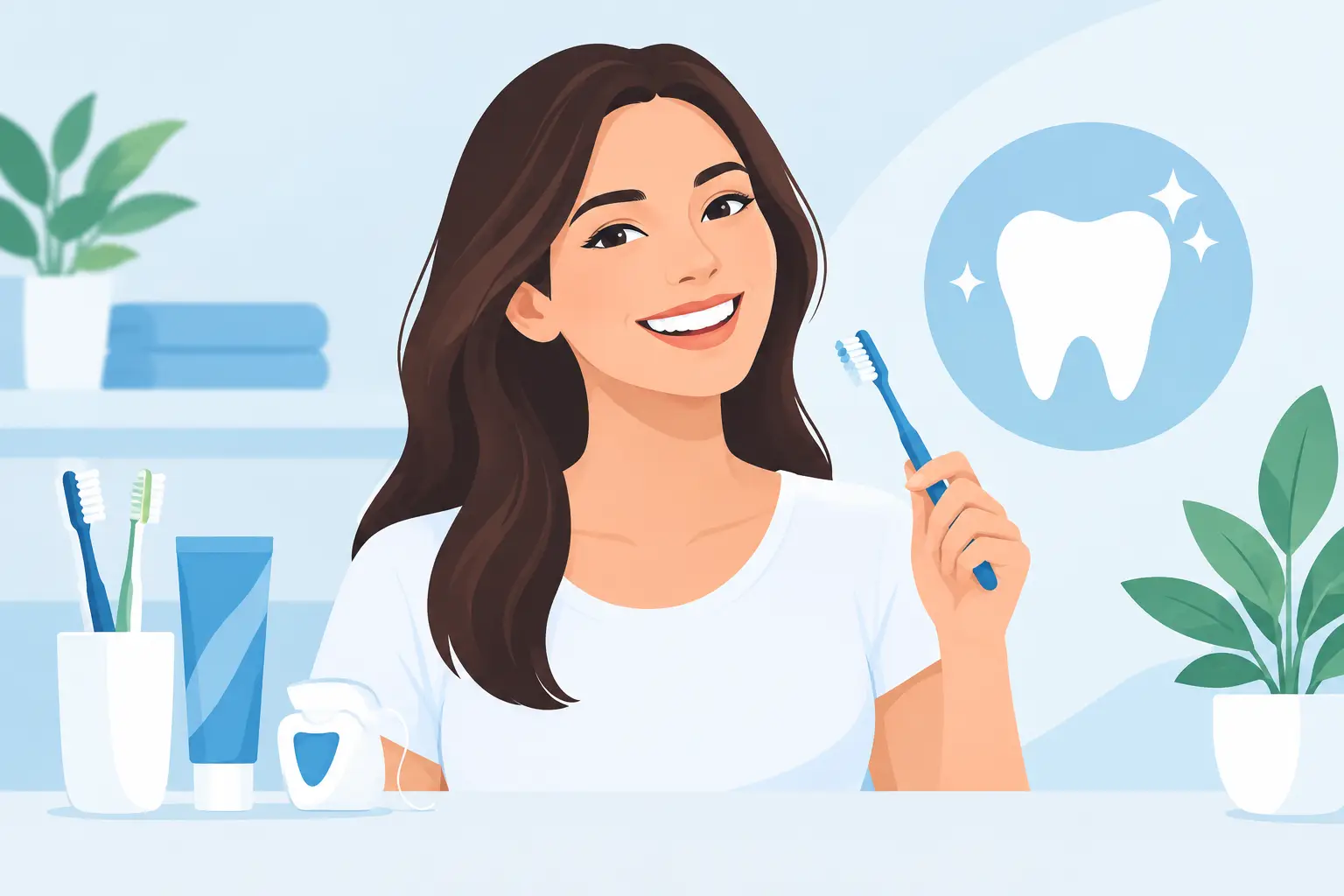
If you’re changing your dental routine, start with two habits you can keep up every day. Brush for two minutes before bed and clean between your teeth once a day. A dental check can help you spot areas you’re missing.
Dental hygiene tips that work every day
Good oral hygiene is not about scrubbing harder or buying every product on the chemist shelf. It is about removing plaque gently and thoroughly, then giving your teeth and gums regular professional attention when needed.
Brush twice a day, especially before bed
Brush for two minutes, morning and night, using a soft-bristled toothbrush and fluoride toothpaste. Hold the brush at a slight angle towards the gumline and use small, gentle movements across the outer, inner and chewing surfaces of every tooth.
Brushing too firmly can wear away enamel near the gums and irritate delicate gum tissue. If your toothbrush bristles are splaying quickly, or your gums feel sore after brushing, lighten your pressure. A manual toothbrush can work very well when your technique is sound, while an electric toothbrush may be helpful if you tend to rush, have reduced hand dexterity or struggle to reach the back teeth.
After brushing, spit out the excess toothpaste rather than rinsing with water straight away. This leaves a light layer of fluoride on the teeth, helping strengthen enamel between brushes.
Clean between your teeth once a day
A toothbrush cannot properly clean the narrow spaces between teeth or just below the gumline. That is where floss, interdental brushes or water flossers can play a useful role.
The best option depends on the shape and spacing of your teeth. Floss is often suitable where contacts are tight. Small interdental brushes can be more effective for wider spaces, around orthodontic appliances or where gum recession has created gaps. A water flosser can be a helpful addition for some people, but it does not always replace physical cleaning between each tooth.
Choose the method you are most likely to use consistently. A dentist or hygienist can show you the right size and technique, because forcing an interdental brush into a space that is too tight can cause discomfort and damage the gums.
Give your gums the same attention as your teeth
Healthy gums should generally look pale pink or coral, fit snugly around the teeth and not bleed during normal brushing or cleaning between teeth. Bleeding is common, but it should never be dismissed as normal. It may be an early sign of gum inflammation caused by plaque build-up.
Some people stop flossing when their gums bleed. In many cases, gentle daily cleaning is exactly what helps the inflammation settle, although ongoing bleeding needs a dental assessment. Gum disease can progress quietly, sometimes without pain, so early care is far kinder than waiting for symptoms to worsen.
Food, drinks and habits that affect your mouth
What you eat matters, but how often your teeth are exposed to sugar and acid matters too. Frequent grazing on sweet snacks, sipping soft drink or cordial throughout the day, and regularly reaching for sports drinks can keep teeth under repeated acid attack.
Try to keep sugary foods and drinks to mealtimes where possible, and choose water between meals. Tap water is a reliable choice for hydration and helps wash away food debris. Cheese, plain yoghurt, vegetables, nuts and fresh fruit are generally more tooth-friendly snack choices than sticky lollies, biscuits or dried fruit eaten repeatedly across the day.
If you have an acidic drink, avoid brushing immediately afterwards. Acid temporarily softens enamel, and brushing straight away may increase wear. Rinse with water, wait around 30 minutes, then brush as usual.
Dry mouth also raises the risk of decay because saliva naturally protects teeth. Some medicines, mouth breathing, dehydration and certain health conditions can reduce saliva flow. If your mouth often feels dry, mention it at your appointment rather than simply relying on mints or sugary lozenges.
Do not overlook your tongue and toothbrush
Bacteria and food debris can collect on the tongue, contributing to bad breath. Gently brushing your tongue or using a tongue cleaner once a day can help, particularly if you notice a persistent coating or unpleasant taste.
Your toothbrush needs attention too. Rinse it after use, store it upright where it can air-dry and replace it about every three months, or sooner if the bristles are worn. Replace it after an illness if you prefer, but do not share toothbrushes with anyone in the household.
Mouthwash can freshen breath, but it should not be used as a substitute for brushing and cleaning between teeth. If you use a fluoride mouthwash, choose a time separate from brushing so you do not wash away the fluoride toothpaste left on your teeth. Some mouthwashes are designed for short-term treatment of specific gum concerns, so ask your dental team before using them long term.
Dental hygiene tips for children and families
Children benefit from routines that feel ordinary rather than stressful. Start cleaning teeth as soon as the first tooth appears, using an age-appropriate amount of fluoride toothpaste. Young children need adult help and supervision because they do not yet have the coordination to clean thoroughly, particularly along the gumline and back molars.
Make brushing part of the same morning and bedtime rhythm each day. A favourite song, a two-minute timer or brushing together can make the habit easier to keep. Water in a drink bottle is usually the best everyday choice, while juice and sweet drinks are better treated as occasional rather than constant companions.
For teenagers, sports mouthguards and orthodontic appliances may add extra cleaning needs. Braces can trap plaque around brackets and wires, so careful brushing and cleaning between teeth becomes even more important. If a child grinds their teeth, snores regularly or breathes through their mouth at night, raise it with their dentist as well.
Know when home care is not enough
At-home habits are powerful, but they cannot remove hardened calculus or diagnose early decay, cracks, gum disease and other concerns that may not cause pain straight away. Routine check-ups and cleans allow your dentist to monitor changes, remove build-up and keep treatment focused on the most conservative option available.
Book a dental visit sooner if you notice persistent bleeding gums, bad breath that does not improve, tooth sensitivity, pain when biting, swelling, a chipped tooth, loose teeth or a sore that has not healed within two weeks. Sudden toothache, facial swelling or dental trauma should be assessed promptly.
For nervous patients, the most useful step may be simply arranging a calm conversation before treatment is needed. At Pure Dental Care, we believe you should understand what is happening, why it matters and what your options are before any decision is made.
A healthy smile is built in ordinary moments at the bathroom sink, not through harsh routines or quick fixes. Be gentle, be consistent, and let your dental team help when something does not feel right.
Related at Pure Dental Care: Check-up and clean and contact our Thornleigh clinic.