
Adult Braces Before After Examples Explained
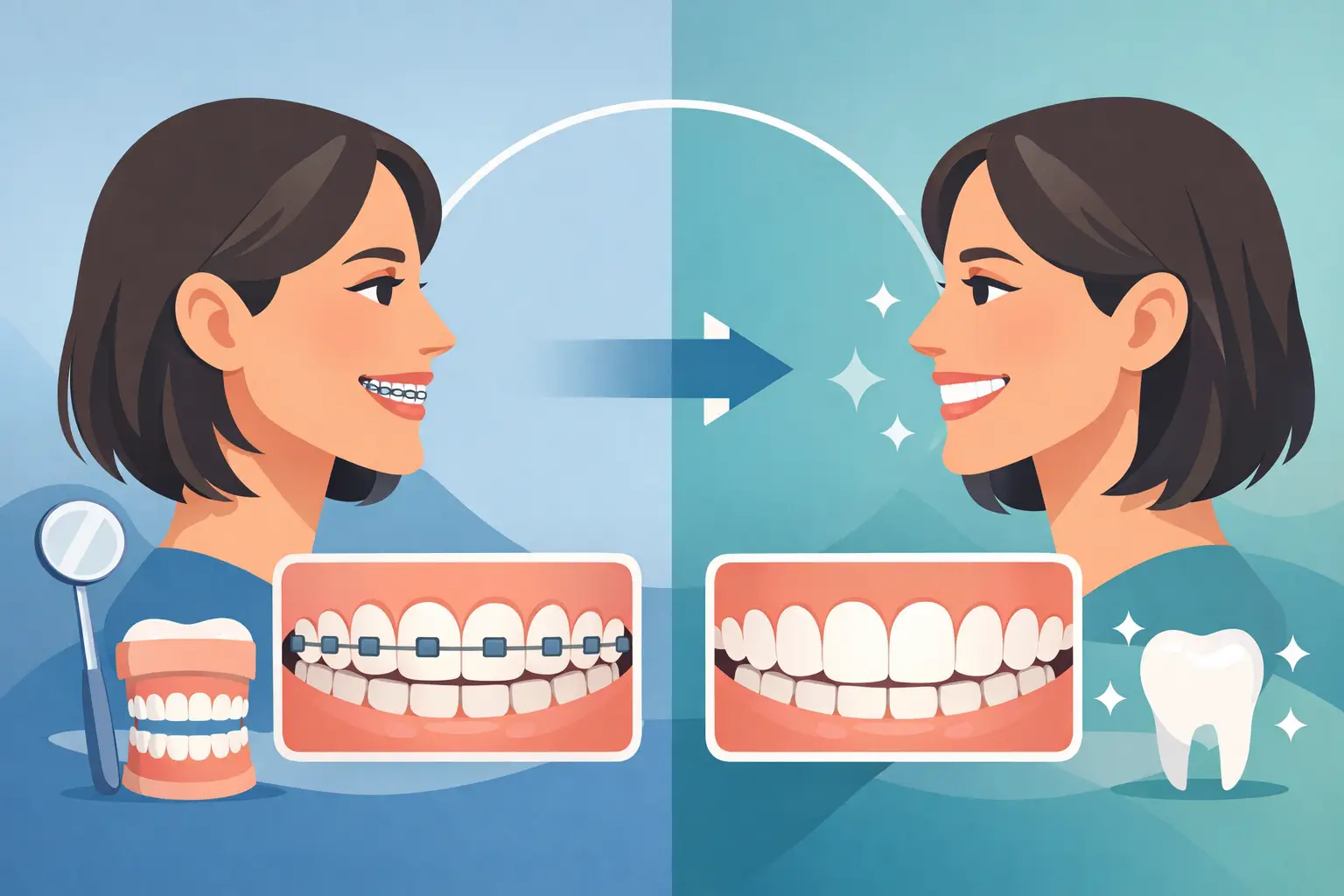
Adults consider braces for many reasons, including crowding, gaps, changes in their bite or teeth that have shifted. These examples explain the kinds of changes braces can make and why results vary.
Some adults spend years hiding their teeth in photos, then feel slightly shocked when they finally see adult braces before after examples that look like people just like them. Not teenagers. Not perfect social media smiles. Just real adults with crowding, gaps, bite issues or teeth that have shifted over time. That is often the moment orthodontic treatment starts to feel possible.
If you are looking at before and after cases, it helps to know what you are actually seeing. The most useful examples are not the dramatic ones. They are the ones that show realistic changes, explain what was corrected, and set clear expectations about time, comfort and maintenance. For adults, braces can absolutely improve the look of a smile, but the bigger value is often in how the teeth function, clean and wear over time.
What adult braces before after examples really show
A before and after image usually captures three things at once. The first is alignment - crowded, overlapping or rotated teeth are moved into a straighter position. The second is bite improvement - upper and lower teeth meet more evenly, which can reduce uneven wear and make chewing feel more comfortable. The third is smile balance - the overall look of the teeth can appear calmer, more even and less busy.
What those images do not always show is the planning behind them. Adult orthodontic treatment is rarely about moving every tooth as far as possible. A careful dentist or orthodontic provider will look at gum health, existing fillings and crowns, bone support, jaw relationships, habits such as grinding, and whether a conservative result may be better than a more aggressive one.
That matters because adult teeth have history. You may have old dental work, past extractions, slight gum recession or teeth that have drifted after not wearing a retainer in your twenties. A good result is not just straight teeth. It is a healthy, stable outcome that suits your mouth.
Common before and after changes in adults
Crowded front teeth
This is one of the most common reasons adults ask about braces. In a before photo, the lower front teeth often look twisted or overlapped, and the top teeth may sit unevenly. In the after photo, the teeth line up more evenly and are easier to clean.
The practical benefit is often underestimated. When teeth are crowded, plaque can collect in tight areas that are hard to reach with a toothbrush or floss. Straighter teeth can be simpler to maintain, which may help reduce the risk of decay and gum inflammation.
Gaps between teeth
Some adults have always had spaces, while others notice new gaps after gum changes or shifting over time. Before and after examples here can look subtle, but the effect on the smile can be significant. Small spaces are closed, proportions look more balanced, and speech or food trapping may improve.
That said, gap closure is not always as straightforward as it looks in photos. If the space is related to gum or bone loss, the final shape of the teeth and gums may still need thoughtful management. Sometimes braces are only one part of the answer.
Deep bite or uneven bite
A before image may show top teeth covering too much of the lower teeth, or one side of the bite feeling off. The after image may not look dramatic to an untrained eye, but functionally it can be a big change. A more even bite can reduce chipping, uneven wear and strain on certain teeth.
Adults often appreciate this kind of improvement later in treatment, once they realise the goal was never purely cosmetic.
Relapse after childhood braces
This is very common. Someone had braces as a teen, stopped wearing the retainer, and years later the teeth have shifted. Before and after cases in this group can be especially encouraging because treatment may be more straightforward than expected.
Still, it depends on how much movement has occurred and whether there are other factors involved, such as grinding, wisdom teeth history, gum issues or missing teeth.
Why one adult result looks different from another
This is where expectations need to stay grounded. Two people can start with similar crowding and finish with different-looking results. That does not mean one treatment was better than the other.
Age is one factor, but not the main one. Gum health, bone levels, facial profile, tooth size, jaw position and the condition of existing dental work all influence what is possible. Adults also tend to have more treatment trade-offs than teenagers. For example, widening an arch too much may not be stable long term. Moving a tooth with gum recession may need extra care. Chasing perfection is not always the healthiest plan.
A careful clinician will explain those trade-offs early. Sometimes the best result is a substantial improvement rather than a textbook ideal. For many adults, that is more than enough.
Braces or clear aligners for adult cases?
When people search for adult braces before after examples, they are often also comparing options. Traditional braces and clear aligners can both produce excellent results, but neither is automatically better for every adult.
Braces can be very effective for more complex tooth movements and do not rely on you remembering to wear them. Clear aligners appeal to adults who want something less noticeable and easier to remove for meals and brushing. The catch is that aligners only work well if they are worn as instructed.
The best choice depends on your bite, the type of movement needed, your daily routine and how disciplined you are likely to be. A treatment plan should fit your life, not just your ideal scenario.
How long adult treatment usually takes
Most adults want the honest answer here. Treatment can take anywhere from several months to around two years, sometimes longer for more complex cases. Minor relapse may be corrected relatively quickly. More involved bite issues and significant crowding usually take longer.
Teeth move biologically, not on a fixed calendar. Adults can still respond very well to orthodontic treatment, but movement may need to be more measured, especially if there are gum considerations. That is one reason rushed treatment is rarely a good sign.
The most reliable before and after examples are the ones paired with context - how complex the starting point was, whether extra procedures were needed, and what the patient had to do to maintain progress.
What photos cannot tell you
Before and after images are useful, but they have limits. They do not show whether a patient had tenderness during adjustments, whether oral hygiene became harder for a while, or whether they needed fillings or gum treatment before starting. They also do not show retention, which is what protects the result once active treatment ends.
This is especially important for adults. Teeth can keep shifting throughout life. If you finish treatment and stop wearing retainers as advised, some movement can happen again. That does not mean treatment failed. It means retention is part of the treatment, not an optional extra.
Questions worth asking when reviewing examples
Instead of only focusing on whether the teeth look straighter, ask what problem was being treated. Was it crowding, spacing, bite imbalance or relapse? Ask how long treatment took, whether the patient needed extractions, and what kind of retention was used at the end.
You should also ask whether the result shown is considered realistic for your own mouth. A trustworthy clinician will not promise that your smile will match somebody else’s final photo. They should explain what is likely, what is possible, and where the limits are.
In a clinic setting, that usually means a proper assessment with photos, scans and a discussion of your goals. At practices such as Pure Dental Care in Thornleigh, this kind of planning is part of making sure treatment is careful, informed and appropriate rather than pushed too quickly.
When adult braces are worth considering
If you feel self-conscious about your smile, braces may help. If your teeth are difficult to clean because they overlap, braces may help. If your bite feels uneven or you are noticing wear, chipping or shifting, braces may also be worth discussing.
Not every adult needs comprehensive orthodontic treatment. Some people are better suited to limited movement, aligners, or even a different approach depending on the problem. The key is not to assume every crooked tooth needs a big intervention. Conservative treatment planning matters.
The most reassuring thing about real before and after cases is not that they look perfect. It is that they show change is possible at an age when many people assume they have missed their chance. If you are considering treatment, the right next step is not comparing yourself harshly to someone else’s photo. It is getting clear advice about your own teeth, your own bite and the kind of result that will serve you well for years.
Related at Pure Dental Care: Metal and ceramic braces and contact our Thornleigh clinic.